

Throughout the evolution of modern surgery, visualization systems have consistently been a critical factor influencing surgical precision. From traditional naked-eye observation to optical surgical microscopes, and now to digital surgical microscopes based on digital imaging technology, surgical visualization has undergone continuous transformation.
For decades, optical surgical microscopes have been indispensable in neurosurgery, spine surgery, otolaryngology, ophthalmology, and plastic and reconstructive microsurgery, thanks to their high magnification, optical clarity, and stable imaging capabilities. However, as modern surgery advances toward minimally invasive, precision focused, digital, and intelligent approaches, conventional optical microscopes are increasingly facing new challenges:
Limited sharing of visual information;
Surgeons required to maintain fixed postures for extended periods;
Limited digitization of surgical data;
Difficulty integrating with emerging technologies such as artificial intelligence and navigation systems.
As a result, the digital surgical microscope is emerging as the core visualization platform for the smart operating rooms of the future.
1.What Is a Digital Surgical Microscope?
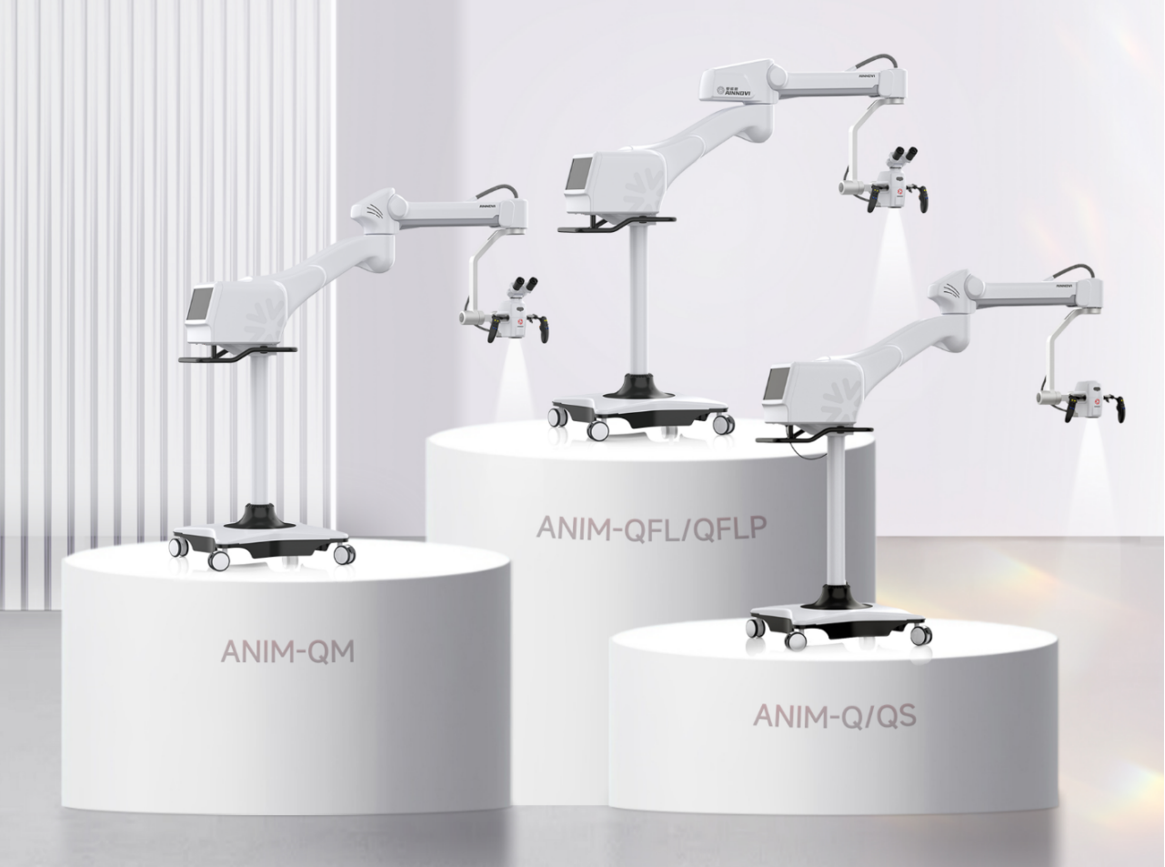
A digital surgical microscope is a next generation surgical visualization device that integrates high definition digital camera technology, 3D stereoscopic imaging, image processing algorithms, intelligent control systems, and large screen display technology.
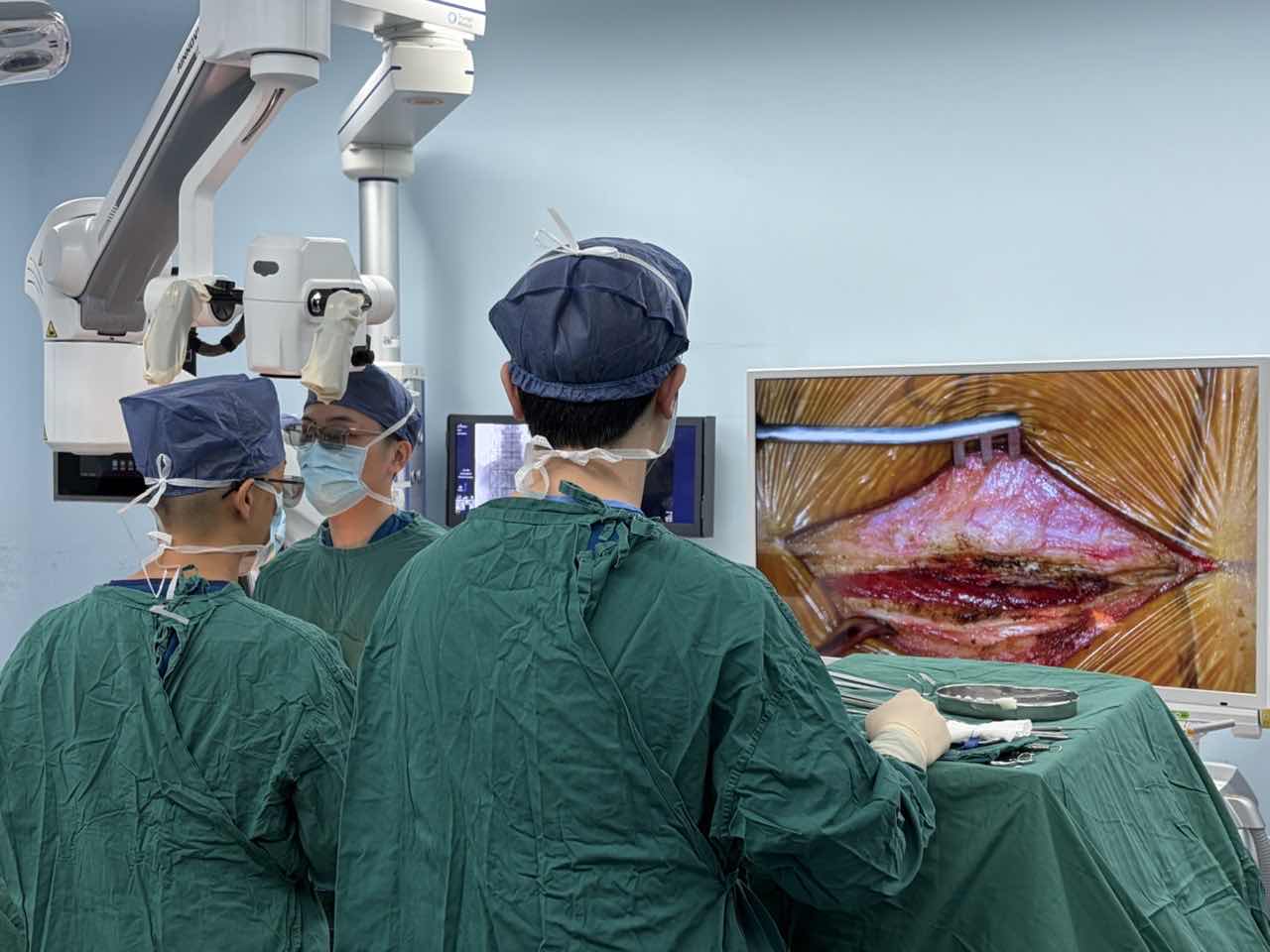
Unlike traditional microscopes, digital microscopes no longer rely on direct observation through eyepieces. Instead, they capture surgical field information via high definition camera systems and display digitized images in real time on high resolution monitors. This technological paradigm shifts the fundamental logic of surgical visualization — from surgeons observing through a microscope to surgeons performing precision surgery through a digital visualization platform.
2.The Evolution from Optical to Digital Microscopes
Conventional optical surgical microscopes have long demonstrated clinical value, with key advantages including proven reliability, high optical resolution, and extensive clinical experience. However, as surgical complexity increases, their limitations are becoming more apparent.
Limited Visual Sharing
Traditional microscopes are primarily designed for a single surgeon. During procedures, assistant surgeons struggle to simultaneously access the optimal view, teaching is constrained, and team communication efficiency may be reduced.
Ergonomic Strain
Traditional microscopes require surgeons to keep their eyes close to the eyepieces, maintain fixed head and neck postures, and sustain prolonged visual concentration. For complex, lengthy procedures — such as spinal, cranial, and microsurgical reconstruction — this often leads to neck and shoulder fatigue, increased physical burden, and decreased operating comfort.
Insufficient Digital Integration
Conventional optical systems do not readily integrate with AI, offer limited data capture capabilities, and lack intelligent analytical functions — yet the future operating room is increasingly data driven.
3.Core Advantages of Digital Surgical Microscopes
3D High Definition Vision Enhances Spatial Perception
One of the defining features of modern digital surgical microscopes is 3D high definition digital imaging. Through dual camera systems and digital image processing, surgeons gain:
More accurate spatial relationships;
Better depth judgment;
Clearer tissue layer differentiation.
For neurosurgery, spine surgery, ENT surgery, and microsurgery, 3D visualization helps surgeons more precisely identify nerves, blood vessels, tumor boundaries, and delicate anatomical structures.
Improved Ergonomics and Surgeon Comfort
Digital surgical microscopes employ a screen based viewing mode, eliminating the need for surgeons to remain pressed against eyepieces with fixed head postures. Through a 55 inch 3D display, surgeons can maintain a more natural seated or standing position with greater flexibility. This ergonomic improvement not only enhances comfort but also supports sustained, stable performance during lengthy complex procedures.
Shared Visualization for Enhanced Team Collaboration
One of the most transformative changes introduced by digital microscopes is the shift from “single user viewing” to “team shared visualization.” In the modern operating room, attending surgeons, assistants, anesthesia teams, and teaching staff can all simultaneously observe the high definition surgical field. This delivers several key benefits:
Medical education: Residents and junior surgeons can learn from real time surgical procedures;
Team collaboration: More efficient communication in complex cases;
Telemedicine: Experts can participate and provide guidance via digital imaging.
Digital Connectivity Enables the Smart Operating Room
The future operating room will no longer be just a collection of equipment — it will become a connected, intelligent healthcare system. Digital surgical microscopes can further integrate with:
Surgical navigation systems;
Medical imaging data;
AI assisted analytical platforms;
Telemedicine systems;
Hospital information management systems.
4.Digital Microscope vs. Traditional Optical Microscope
| Feature | Traditional Optical Surgical Microscope | Digital Surgical Microscope |
| Image Acquisition | Optical system | Digital camera system |
| Display Method | Eyepiece observation | High definition 3D display |
| Spatial Perception | Optical binocular vision | Digitally enhanced 3D vision |
| Surgeon Posture | Fixed head down position | More natural ergonomics |
| Team Sharing | Limited | Real time multi user sharing |
| Teaching Applications | Difficult | Efficient digital teaching |
| Data Recording | Limited | High definition digital storage |
| Telemedicine | Constrained | Readily achievable |
5.Why Are Digital Surgical Microscopes Becoming the Future OR Platform?
The global healthcare industry is undergoing digital transformation. Tomorrow’s hospitals demand surgical equipment that not only “sees more clearly” but also “sees clearly, understands more, and connects more.” Digital surgical microscopes align with several core trends in future surgical development:
Precision: 4K ultra HD 3D imaging enables finer surgical maneuvers;
Intelligence: Digital platforms support AI and smart assistance;
Collaboration: Shared visualization enhances team efficiency;
Education: Digital imaging advances training models;
Connectivity: Seamless integration with the smart OR ecosystem.
Conclusion: Digital Surgical Microscopes Usher in the Next Generation OR Visualization Platform
Digital surgical microscopes are propelling the operating room from the traditional optical era into the digital visualization age. Compared to conventional optical microscopes, next generation digital systems provide surgeons with more precise, efficient, and intelligent surgical support.
Looking ahead, the digital surgical microscope is not merely a piece of surgical equipment — it will become a vital platform connecting surgeons, patient data, and intelligent medical technologies. As smart operating rooms continue to evolve, digital visualization platforms will increasingly become the core infrastructure of modern hospital surgical environments.